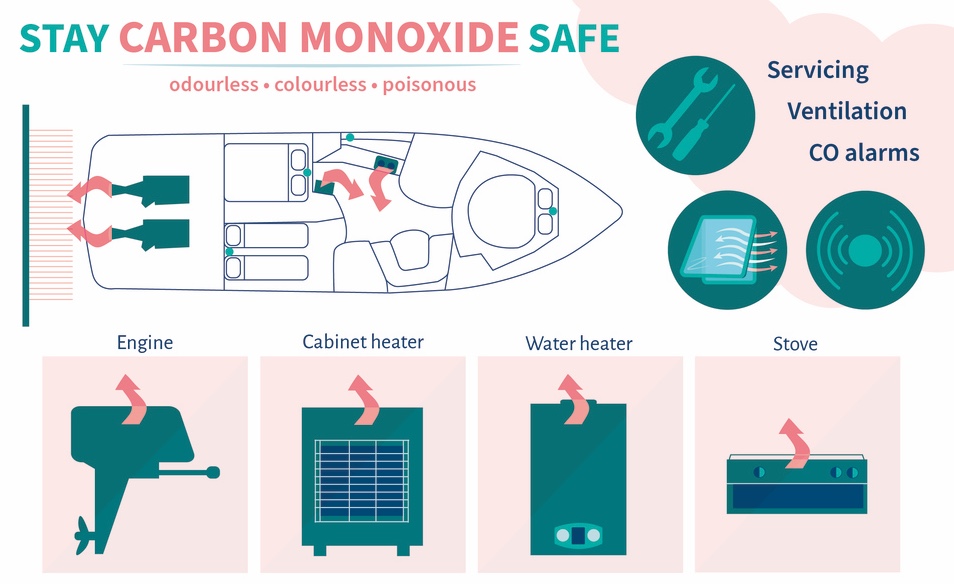

During Carbon Monoxide Safety Week, Washington Fireplaces takes the initiative to deepen the understanding of carbon monoxide (CO) hazards and to promote comprehensive safety measures. This invisible, odorless gas can be a silent threat in our homes, and awareness is key to prevention.
What is Carbon Monoxide? Carbon monoxide is a byproduct of incomplete combustion of fossil fuels like gas, oil, wood, and coal. In homes, CO can emanate from any appliance that burns these fuels, such as stoves, heaters, and fireplaces. Without proper detection methods, it’s almost impossible to notice until it’s too late.
Identifying Carbon Monoxide Risks
- Check Appliances Regularly: Ensure that all fuel-burning appliances are in good working order. Defective appliances can emit dangerous levels of CO.
- Ventilation Matters: Always maintain good ventilation in rooms with fuel-burning appliances. Blocked or inadequate venting can lead to CO build-up.
- Alarm Installation and Maintenance: Install CO alarms in strategic locations, including near bedrooms and living areas. Test them monthly and replace batteries as needed.
Recognizing Symptoms of Carbon Monoxide Poisoning Symptoms can vary but often include:
- Headache
- Dizziness
- Nausea or vomiting
- Shortness of breath
- Confusion
- Loss of consciousness Immediate action is crucial when these symptoms are noticed, especially if more than one person is affected or if symptoms occur when using fuel-burning appliances.
Action Plan When CO is Detected
- Immediate Response: If the CO alarm sounds, don’t ignore it. Open windows and doors for ventilation.
- Safe Evacuation: Evacuate the premises immediately. Ensure that everyone, including pets, is outside in fresh air.
- Emergency Services: Call the fire department or gas company from outside your home. Do not re-enter until it has been declared safe.
- Medical Attention: Seek immediate medical help if anyone shows signs of CO poisoning.
Preventive Measures
- Annual Inspections: Have a professional inspect and clean your fireplaces, chimneys, and any other fuel-burning appliances yearly.
- Correct Installation and Usage: Always follow the manufacturer’s instructions for installing and operating appliances.
- Educate and Inform: Regularly educate family members about CO safety. Discuss what CO is, the symptoms of poisoning, and the steps to take if the alarm sounds.
Carbon Monoxide Safety Week is an opportunity for us to review and reinforce safety practices in our homes. Awareness and proactive measures can significantly reduce the risks associated with CO. Let’s commit to making our homes safer with the help of Washington Fireplaces.
Official information from HETAS: https://www.hetas.co.uk/co-awareness-week/